
I’ve collected my share of odd keepsakes, too, but our daughter will have a say in what stays
Keepsakes galore
For my father, all his keepsakes were treasures, so he kept everything. And I mean damn near everything.
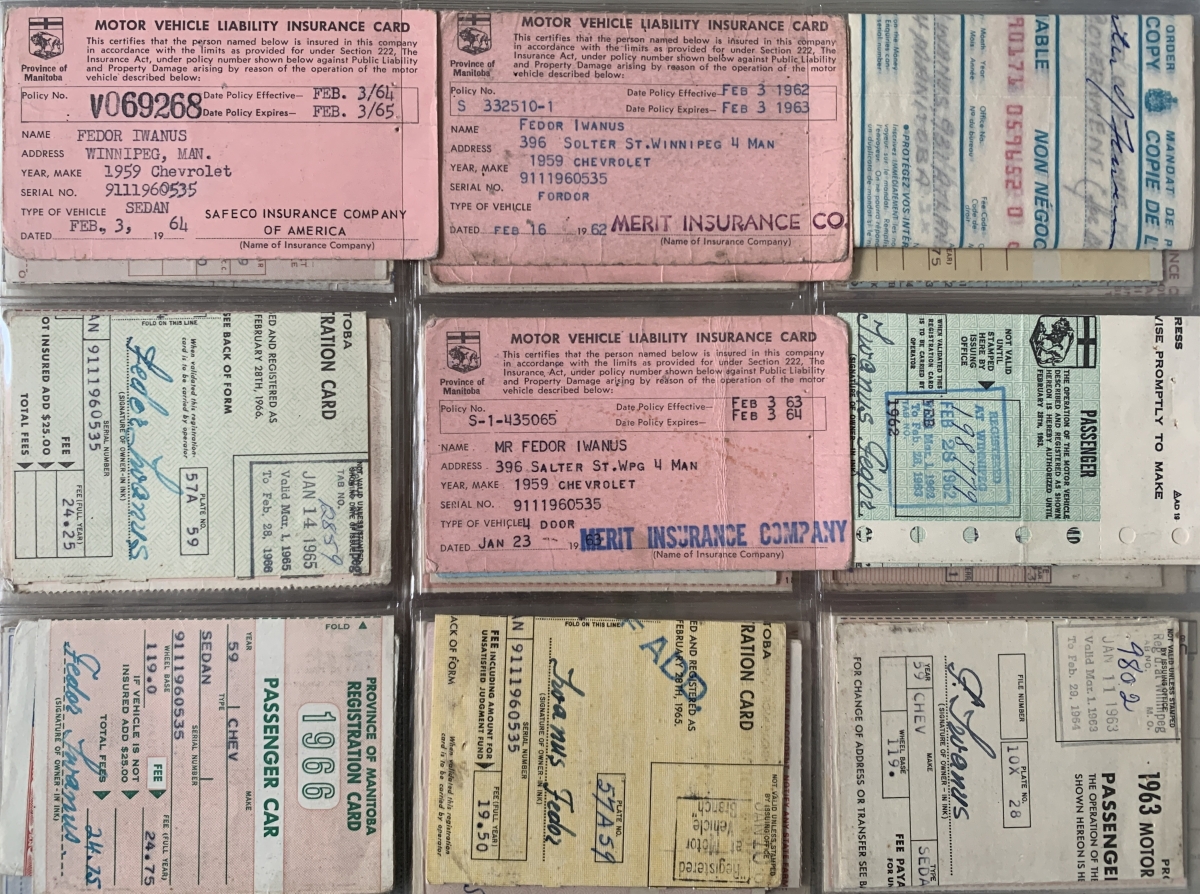
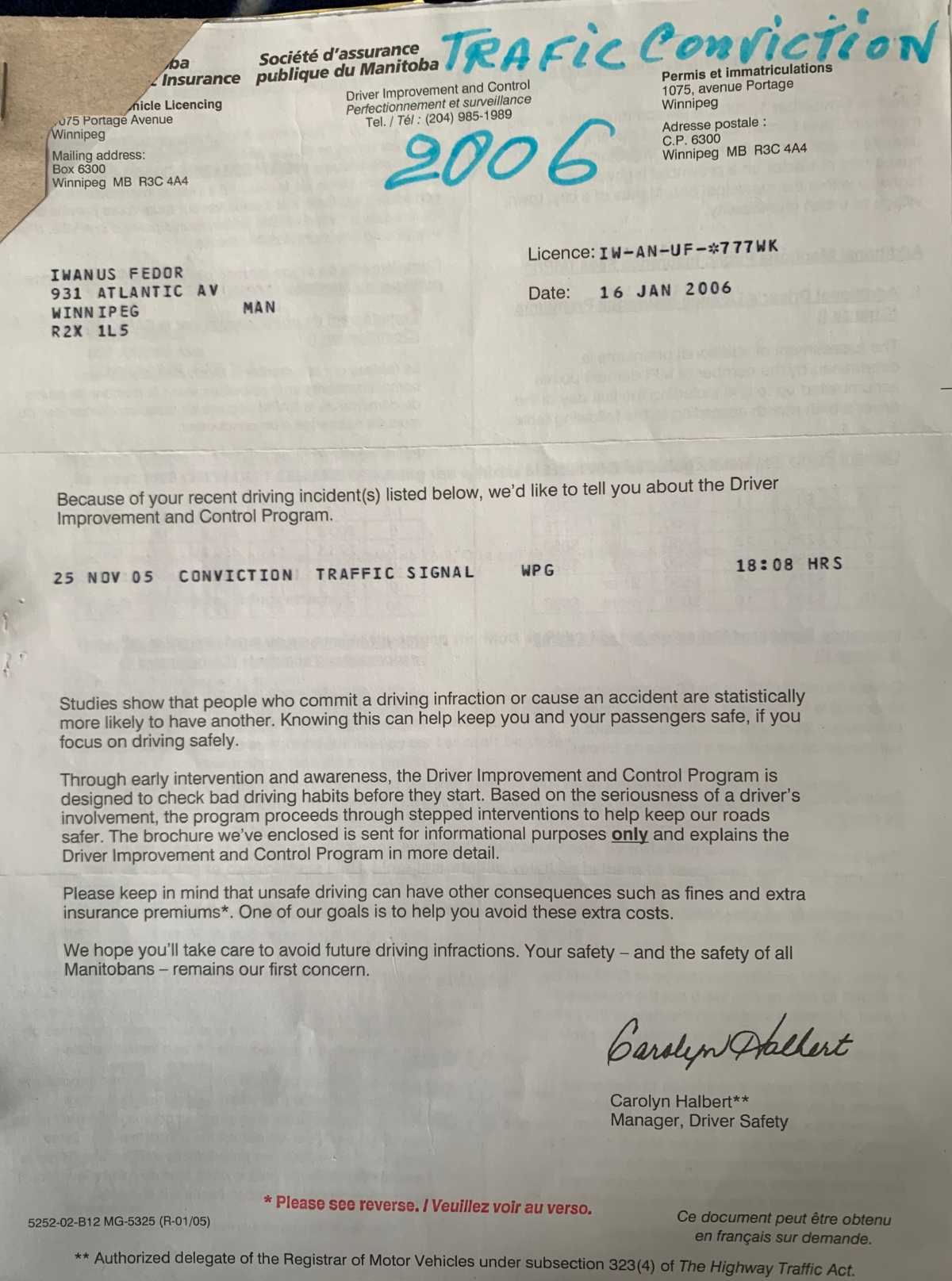
Every old driving permit, insurance card, traffic ticket, vehicle service invoice, household bill, and cheque stub. You name it. And not only did he keep these, he spent considerable time organizing them into albums.
And that’s just the documents. When he died in 2014, I cleaned out his house and found in the basement every plastic bag he had ever laid his hands on and every jar of Cheez Whiz he had ever opened and emptied. Lined up in perfect rows, with the labels all facing the same direction, of course. Not my idea of keepsakes, but whatever.
I’m no psychologist, but I’m sure my father would have made a fascinating case study for someone analyzing the intersection between the propensity to hoard and obsessive-compulsive behaviour. His past, which included displacement, abandonment, and scarcity, would undoubtedly explain all this, but it’s difficult to convey the extent of it without seeing it for yourself.
Some keepsakes were banal, but not all
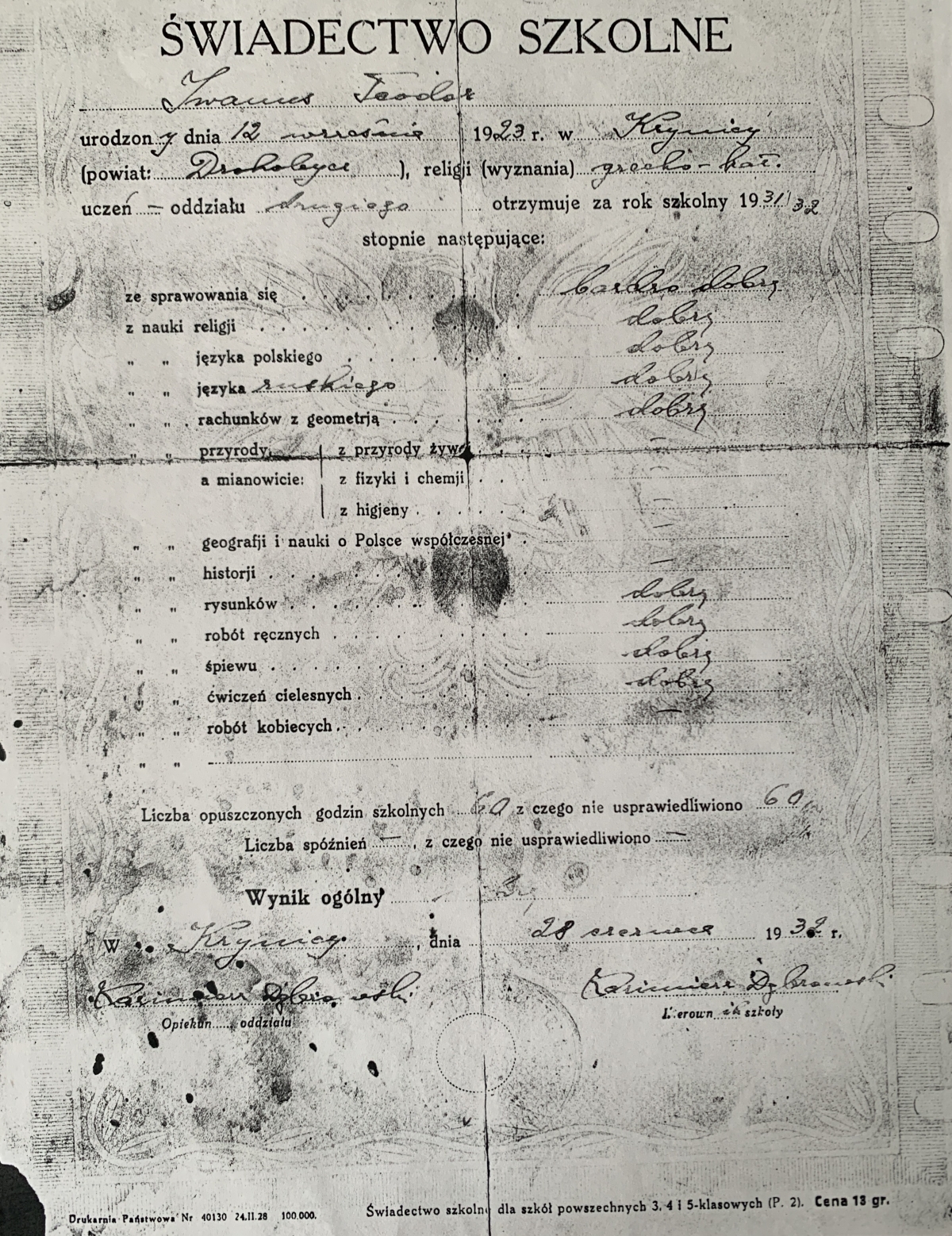
Now, not all of my father’s keepsakes were as banal as a traffic ticket or vehicle service invoice. The collection, parts of which I now have, also includes some documents from his childhood, such as a report card from 1931–1932 (when he was 8 or 9), that any historian could well appreciate.
How he managed to keep a document like this (and others besides) through a life that included German soldiers arresting him and putting him to work in wartime work camps, living in a post-war displaced persons camp, moving to England and then to Canada, is a testament to his determination to ensure that some tangible sliver of his existence remained for posterity.
It’s as if his keepsakes reminded the world, and perhaps himself, that he was here.
The report card noted above is reproduced here. Western Ukraine, where my father was born, was part of Poland at the time, so it is written entirely in Polish. It shows that he conducted himself very well (“bardzo dobrze”) and that he was satisfactory/good (“dobrze”) in all his subjects:
Some years later, I wrote a poem about his keepsakes:
Fedor Ivanovych
Driving permits from late-1940s England
and every license ever since
Insurance cards
and even traffic tickets
just in case
A trade — exams failed, exams passed
first house
then a second
Mortgages, but never for too long
before being discharged
Invoices, bills, and receipts
all marked “Paid”
and the date paid, too,
as if to seal the deal –
beholden to no one
Membership cards
Personal histories and “family records”
travel brochures
(though never to Canadian places)
and poison-pen letters
“I was here”
A paper trail
of a life
not so much lived,
as catalogued
My father never found my keepsakes important
While my father made a keepsake of every possible fragment of his past, he didn’t feel the same about my stuff.
He kept my report cards (apparently, my conduct was, shall we say, not nearly as exemplary as his), class pictures, and some clippings and the like I’d sent him over the years, but he never bothered to ask my opinion about anything else I may have wanted to keep.
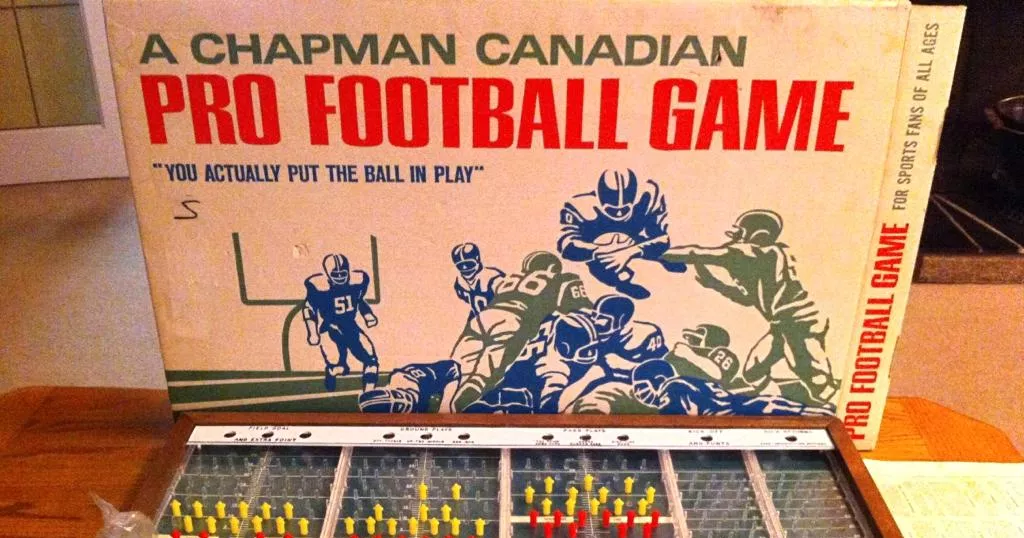
For instance, I had an interesting Canadian football board game (below). My friends and I spent hours playing that when we were kids, and I would have loved to hold on to it.
I was certain my father had stuffed it up in our narrow little garage attic, but when my friends and I cleaned everything out after he died, I was disappointed to discover that he’d disposed of it at some point without ever checking with me.
Which was par for the course when it came to asking my opinion about anything, including keepsakes.
As they say, one person’s treasure is another person’s junk. Unfortunately, my stuff always belonged in the latter category.
My own quirks with keepsakes
Unsurprisingly, I bring my own quirks and values to the process of deciding what are keepsakes and what are discards in my life. I have a graduate degree in history, and I’ve worked in archives, so I think twice before tossing anything in the garbage.
The problem is that I sometimes think about it three or even four times, which inevitably means that I have some keepsakes I probably should have jettisoned years ago. For instance, I have a whole envelope of old ticket stubs and programs for games and concerts I’ve attended. I also have newspaper clippings from sporting events that were important to me.
Perhaps my father and I weren’t that different after all, even if we had different priorities and motivations for what we considered as keepsakes.
I also have every university paper I ever wrote (because each was a shining example of academic brilliance, of course) and a couple of boxes of old letters. I re-read many of those letters last year, which enabled me to reconnect with some people I hadn’t spoken to in over 40 years, and to right some wrongs besides.
Those letters also helped me understand my younger self better and appreciate the path I’ve been on since those days. Re-reading them was a huge growth experience — one of the highlights of my life in this, my seventh decade. All because I held on to some keepsakes that others would have thrown away.
Photos as keepsakes
Photo albums are, of course, a category of keepsakes unto themselves. I kept the many that my father had compiled, then added my own to that collection. Bear in mind that “my own” includes pictures from three marriages, so we’re already talking about three “wifetimes” and several shelvesful.
Of course, my current and final wife brought a whole stack of her own photo albums into the mix, too, including photos from her previous marriage.
God help us if we ever decide to organize all this visual evidence of our existence somehow — we’d each have to live to 120 to get it all done.
And I haven’t even mentioned our books.
Keepsakes minimalism?
We often read these days how parents should go hard-core minimalist as they age because their kids won’t want to deal with all their keepsake crap when the parents die. Clean it up, get it out, and leave only the memories (and possibly some cash, please).
Setting aside the fact that we might die before we finish cleaning all those tchotchkes off our shelves, this is pretty sound advice. Most kids would appreciate it, I’m sure.
But not our daughter, being the old soul she is. She’s made it quite clear that she wants to decide which keepsakes stay and which ones go, and that we shouldn’t “curate” her choices for her.
She has a strong sense of her roots and doesn’t want to lose those tangible connections to her ancestry and heritage, such as photos from Ukraine or England (where my parents married). Or the many photos of herself when she was a kid.
We’ve already gone through her childhood keepsakes together, and have kept those things she has asked us to keep. She won’t run into any surprises there, the way I did.
Beyond that, she’s just as capable as anyone of throwing out crap when the time comes, and it’s not like we have a mansion for her to get through anyway. I’m quite thrilled that she would want to handle our passing this way, and I’m confident she’ll know exactly what to do when the time comes.
And I’ve promised her that she’ll have no keepsake plastic bags or Cheez Whiz jars, labels regimented or otherwise, to deal with.
At least I’m pretty sure she won’t.