New Brunswick: political and economic topics, especially pertaining to the property tax system
On May 27, Hon. Aaron Kennedy, the Minister for Local Government and Minister Responsible for Service New Brunswick, introduced the long-awaited Act Respecting Property Tax Reform in the New Brunswick Legislature.
Coming from my background as a historian, a resident of New Brunswick since 2019, a former public servant with Service New Brunswick, and an elected official myself some years ago, I was eager to read this when I first saw the title.
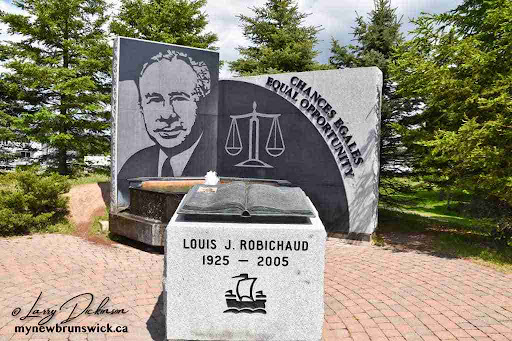
Prolific New Brunswick author, Donald J. Savoie, takes a fresh look at New Brunswick’s most consequential Premier, and almost certainly the province’s most courageous one.
For a million reasons, we love it here in New Brunswick. But what we’ve learned about living in a bilingual province has been very telling, particularly on the cultural side.
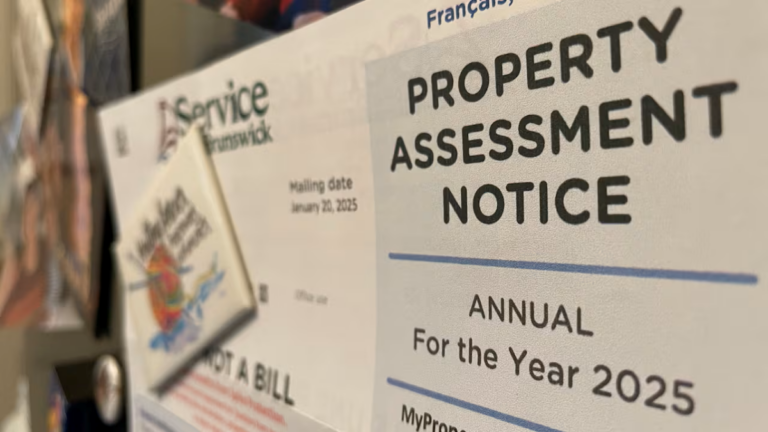
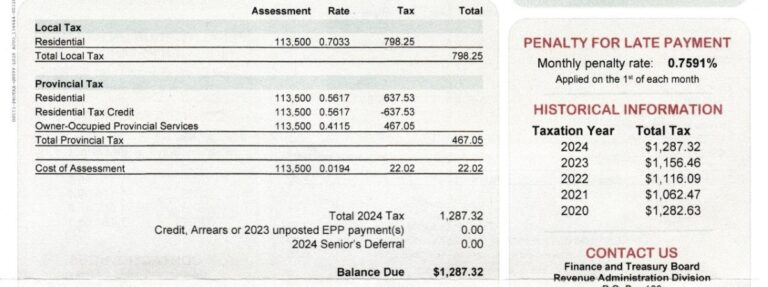
On May 6, the Holt Government announced a freeze on property assessments for 2026 as an interim measure, while continuing work on comprehensive property tax reform over a more extended period.
Whether we average residential property owners realize it or not, that restrictive relationship between residential and non-residential tax rates in NB is costing us money.
At first glance, tax agents appear to play a critical role in challenging property assessments in New Brunswick, thereby keeping taxes in check. But do they?
What exactly is revenue neutrality and how does it apply to the property assessment and taxation system in New Brunswick?
Answer: it doesn’t. And it’s costing us all a lot of money.
What people really want to know is: 1) how much more is the government’s budget this year and on what is it spending money? and 2) how much more tax will I have to pay this year than I did last year?